
The Essential FAQ Guide to Home Products
By Hector Delgado · · 5 min read
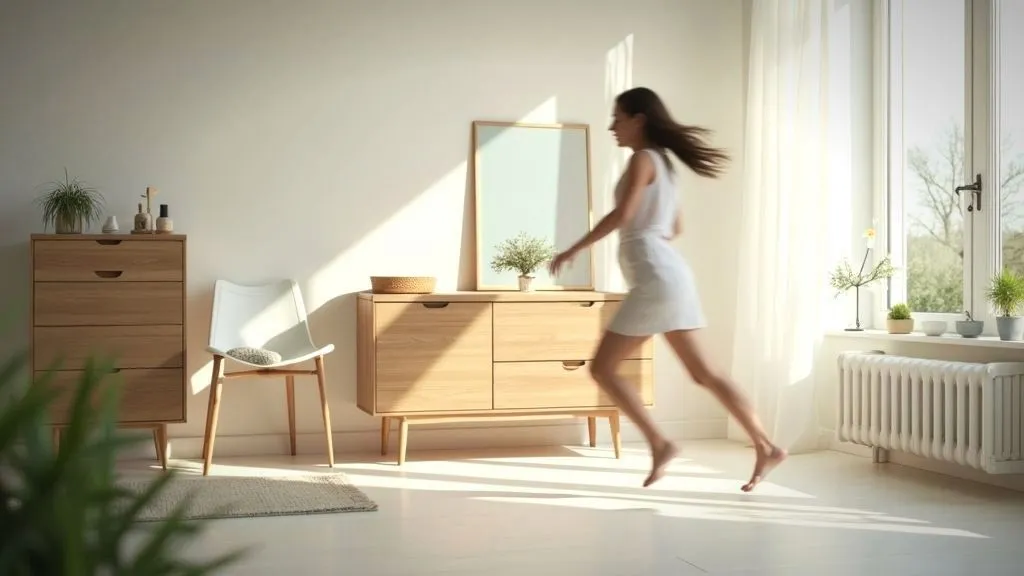
Your Comprehensive FAQ on Home Products
Navigating the vast world of home products can be overwhelming. From appliances that make daily chores easier to decorative items that enhance your living space, understanding what’s available, what you need, and how to choose wisely is essential. This comprehensive FAQ guide aims to demystify home products, offering expert insights and detailed analyses to help you make informed decisions.
What are Home Products?
Home products refer to a broad category of items designed for use within residential spaces. This includes furniture, appliances, kitchenware, cleaning supplies, décor, and more. These products are pivotal in creating a functional, comfortable, and aesthetically pleasing home environment.
Why Choose Quality Home Products?
Investing in quality home products can significantly enhance your living experience. Here are several reasons to prioritize quality:
- Durability: High-quality products tend to last longer, ultimately saving you money.
- Safety: Premium products often adhere to stricter safety standards, protecting your family.
- Efficiency: Well-designed appliances and tools can save time and energy, improving efficiency in your daily tasks.
- Aesthetics: Quality home products can elevate the visual appeal of your space, reflecting your personal style.
What Should I Look for When Buying Home Products?
When selecting home products, it’s crucial to consider several factors:
- Purpose: Understand what you need the product for and how often it will be used.
- Material: The quality of the material affects durability, safety, and maintenance.
- Brand Reputation: Established brands often offer reliability and better customer service.
- Reviews and Ratings: User feedback can provide insights into product performance and satisfaction.
- Price: Balance your budget with your desire for quality. Sometimes, spending a bit more upfront can lead to long-term savings.
How Can I Optimize My Home with Smart Products?
Smart home products are revolutionizing the way we manage our living spaces. Here’s how you can incorporate them effectively:
-
Smart Thermostats: Devices like the Nest Learning Thermostat can learn your schedule and adjust temperatures automatically, saving energy and reducing utility bills.
-
Smart Lighting: Philips Hue bulbs can be controlled via your smartphone or voice, providing convenience and customizable ambiance.
-
Home Security Systems: Yale and Ring offer smart locks and cameras, allowing you to monitor your home from anywhere.
-
Voice Assistants: Products like Amazon Echo and Google Home can manage your smart devices, play music, and provide information hands-free.
What are the Best Home Products for Small Spaces?
For those living in apartments or smaller homes, space-saving home products are essential. Some top recommendations include:
-
Multi-Functional Furniture: Look for ottomans with storage, fold-out tables, and sofa beds to maximize utility without consuming too much space.
-
Vertical Storage Solutions: Use shelving and hooks to free up floor space while organizing belongings efficiently.
-
Compact Appliances: Opt for smaller versions of essential appliances, such as a mini fridge or a slim microwave.
What are the Most Common Home Product Categories?
Understanding the various categories of home products can help streamline your search. Here are some of the most common:
-
Furniture: Couches, tables, chairs, and beds that provide comfort and functionality.
-
Appliances: Essential items such as refrigerators, ovens, and washers that make household tasks easier.
-
Decor: Items that personalize your space, including artwork, rugs, and cushions.
-
Kitchenware: Tools and utensils for cooking and dining, which can range from pots and pans to cutlery and dishware.
-
Cleaning Supplies: Products designed for maintaining cleanliness and hygiene, including vacuums, mops, and detergents.
What Are Some Expert Tips for Maintaining Home Products?
Proper maintenance can extend the life of your home products significantly. Here are some expert tips:
-
Regular Cleaning: Dust, scrub, and sanitize products regularly to keep them in optimal condition.
-
Follow Manufacturer Guidelines: Adhere to the care instructions provided with your products to avoid unnecessary damage.
-
Inspect for Damage: Periodically check items for wear and tear. Addressing issues early can prevent larger problems.
-
Store Properly: When not in use, store items in a way that prevents damage, such as avoiding stacking heavy items on fragile ones.
How Do I Choose the Right Furniture for My Space?
Selecting furniture requires careful consideration to ensure that it fits your lifestyle and complements your home’s aesthetic. Here are points to keep in mind:
-
Measure Your Space: Before purchasing, measure the area to ensure that the furniture will fit without overcrowding the room.
-
Style and Theme: Choose furniture that aligns with the overall style of your home, whether it be modern, rustic, or traditional.
-
Functionality: Consider how you will use each piece. For example, a sturdy dining table should accommodate your family comfortably.
-
Comfort: Test items for comfort, especially when it comes to seating.
What Are the Benefits of Eco-Friendly Home Products?
Eco-friendly home products are designed with sustainability in mind. The advantages of choosing these items include:
-
Healthier Living Environment: Many eco-friendly products are made with non-toxic materials that are safer for your family.
-
Reduced Environmental Impact: Choosing sustainable products helps lessen your carbon footprint and supports environmentally conscious companies.
-
Long-Term Savings: Eco-friendly products often feature energy-saving designs, which can lead to lower utility bills over time.
What Trends Are Currently Popular in Home Products?
Staying updated on trends in home products can help you maintain a stylish and functional living space. Some noteworthy trends include:
-
Minimalism: Simplified forms and a clutter-free philosophy are leading many to choose fewer, high-quality items.
-
Biophilic Design: Incorporating natural elements and greenery into home decor is gaining popularity, promoting well-being.
-
Smart Integration: Consumers increasingly prefer products that can be connected and programmed for convenience.
-
Sustainable Materials: There’s a growing demand for products made from recycled or sustainably sourced materials.
How Do I Properly Dispose of Old Home Products?
Disposing of old home products responsibly is crucial for reducing waste. Here are some methods:
-
Donate: If items are still in good condition, consider donating them to local charities or shelters.
-
Recycle: Many materials, such as metals and plastics, can be recycled. Check local recycling guidelines for specifics.
-
Sell: Use online platforms to sell items that are still usable, allowing others to benefit while earning some extra cash.
-
Trash: If items are broken or unsafe, dispose of them in accordance with local waste management guidelines.
Conclusion
Understanding home products and how to choose the right ones can transform your living space into a personalized haven. By considering quality, functionality, and sustainability, you can create an environment that meets your needs while reflecting your style. Embrace innovation, prioritize safety, and maintain your products diligently to reap the benefits of a well-optimized home.
This FAQ serves as a guide to help you navigate the world of home products, ensuring you make informed decisions that enhance your quality of life. If you have further questions or need specific recommendations, feel free to explore our other articles on /blog/ for more detailed insights.